

01
Documented practice
The material starts from professional situations, protocols and cases that make the decisions understandable.
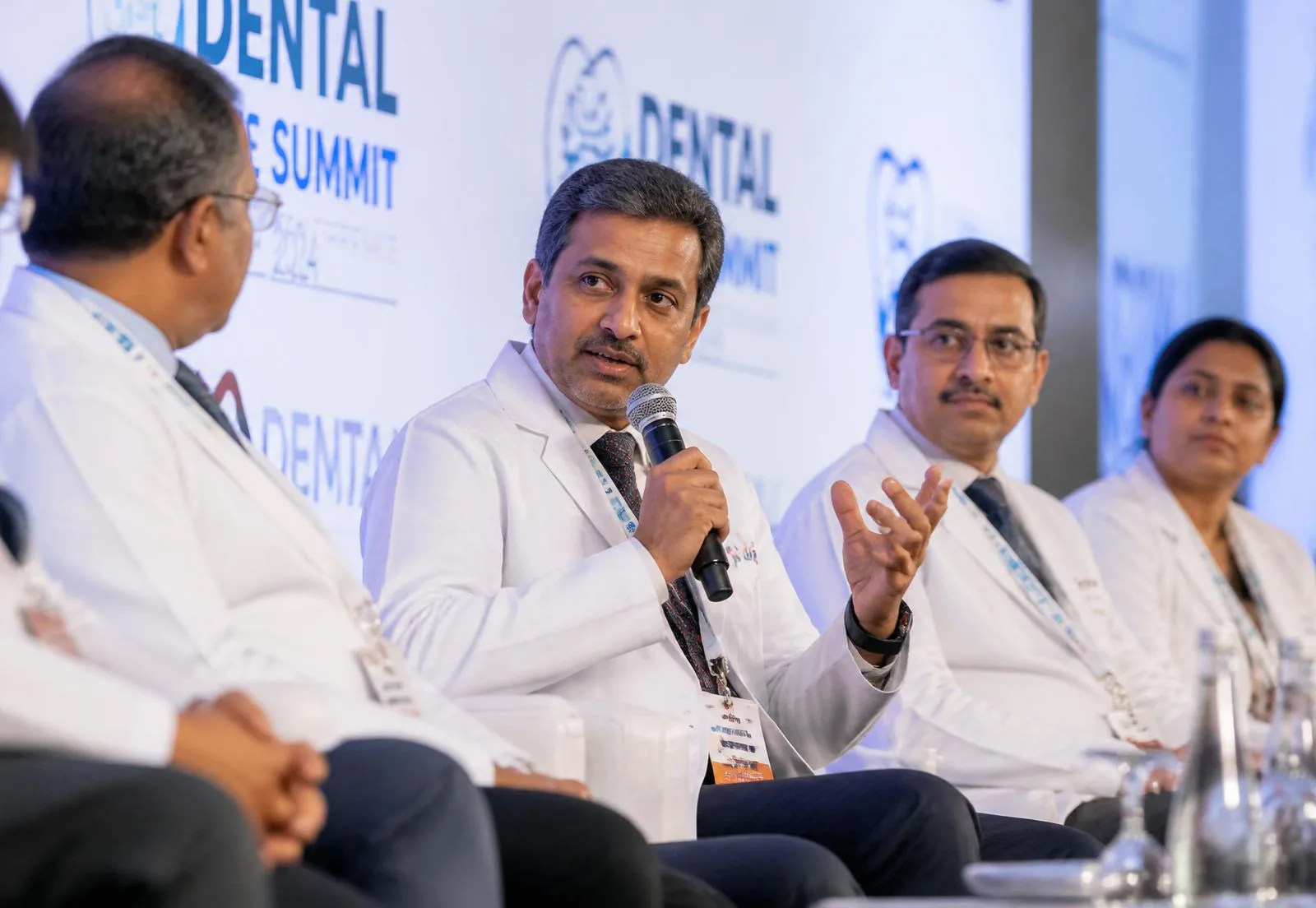
AIDI brings together clinical, prosthetic, radiological and technical skills around one requirement: making decisions understandable and progression concrete.
An AIDI instructor does not simply present a topic. Their role is to organise the learning, explain the choices and support the move into practice.
The material starts from professional situations, protocols and cases that make the decisions understandable.
Objectives, prerequisites, steps and expected outcomes give every session a frame you can read.
Feedback has to say what has been learnt, what needs correcting and what action comes next.
Digital implantology connects several professions. AIDI organises their contributions without blurring their respective responsibilities.
Diagnosis, implant strategy, guided surgery and a critical reading of the clinical situation.
Prosthetic planning, optical impression, design and the dialogue between practice and laboratory.
Reading volumes, structures at risk, data quality and the coherence of the digital plan.
The formats, tools, versions and technical continuity a controlled collaboration needs.
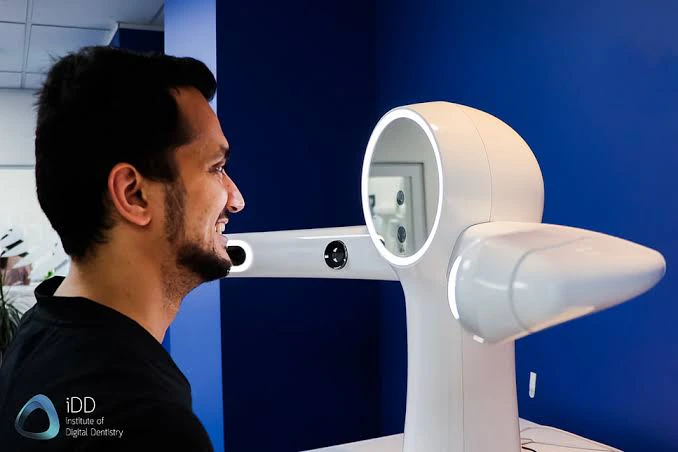
AIDI teaching makes the choices, the alternatives, the mistakes and the criteria visible, so learners can progress on their own.
Every step is put back into context and the decisions are explained.
Technique and workflows are shown in a format you can watch and question.
Feedback follows a clear grid that turns observation into a next action.
Progression continues through focused exchange and supported case reading.
Teaching expertise opens no implicit access to clinical cases or Lab spaces. Every session stays tied to its objective and its scope.
Every session maps to a skill, its prerequisites and an expected outcome.
Published resources and assessments stay tied to their version.
Permissions follow the role and the need, never expert status alone.
Explore the Academy's training and formats, or contact AIDI to propose a teaching or scientific contribution.